
Disc Problems and Back Injuries
Medically Reviewed & Clinically Supervised by:
Dr. Sathya Sindhuja
Founder & Chief Siddha Practitioner, Chakrasiddh Holistic Healing & Research Centre
36-Generation Siddha Healing Lineage | 30+ Peer-Reviewed Research Publications | Est. 2012, Hyderabad
Specialisation: Chronic Pain, Spinal and Neuromuscular Disorders, Autoimmune Conditions. Zero Drugs, Zero Surgery
The intervertebral discs are little pads that lie between your vertebrae; each disc has a tough outer ring (annular fibrosis) and a soft gel-like center (nucleus pulposi). Your discs separate your vertebrae and, because they’re knitted into the bones, also join them together. They act like little shock absorbers, cushioning the bones so they don’t crash against each other as you walk, which would be very painful. The 23 discs in your spine help give it its curve, flexibility, strength, and length.
There are two types of herniations: protrusions and prolapses. A protrusion can occur if the nucleus pulposi bulges, pushing the annular fibrosis out of shape. A prolapse occurs if the nucleus bulges out so much that it actually separates from the rest of the disc. If the prolapsed disc goes into the spinal cord or puts pressure on nerves, it may cause severe pain that could make sitting, standing, walking, lifting, urinating, defecting, sneezing, coughing & moving nearly impossible. In extreme cases, foot or leg numbness or a loss of muscle control may occur. However, only a small number of those with low back pain have serious disc problems.
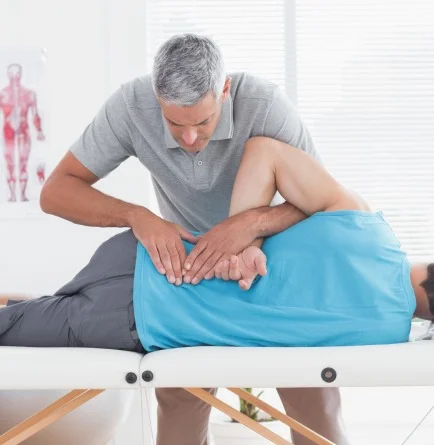
Back Injuries That Require Attention
While spinal surgery is occasionally necessary, especially in cases of trauma or severe bone, disc and nerve destruction, the vast majority of people with disc problems and back injuries/or sciatica never need it. Non-surgical treatment approaches such as posture correction, gentle stretching, and therapeutic exercises often provide significant relief.
Failed Back Surgery Syndrome
Of the thousands of surgical procedures done each year for ruptured discs, medical authorities admit that a large number are unnecessary and useless, with many of those who have back surgery in the same or worse pain after the operation. They have Failed Back Surgery Syndrome (FBSS). To make matters worse, if surgery is ineffective the first time, a second or third operation often does not help. Even successful operations could cause scar tissue, permanent spinal weakness, distortion and instability.
What Are Disc Problems and Back Injuries?
There are two types of herniations:
- Protrusions – occur when the nucleus pulposi bulges, pushing the annular fibrosis out of shape.
- Prolapses – occur when the nucleus bulges out so much that it separates from the rest of the disc.
If the prolapsed disc goes into the spinal cord or puts pressure on nerves, it may cause severe pain that could make sitting, standing, walking, lifting, urinating, defecting, sneezing, coughing, and moving nearly impossible. In extreme cases, foot or leg numbness or a loss of muscle control may occur. However, only a small number of those with low back pain have serious disc problems.
Conclusion
Whether you’re dealing with minor discomfort or severe symptoms, early diagnosis and proper treatment of disc problems and back injuries can prevent long-term complications. At Chakrasiddh, we focus on holistic healing methods to help restore spinal health naturally.
Frequently Asked Questions
How do you treat disc problems in the lower back?
Treatment typically starts with non-surgical, conservative care such as rest, anti-inflammatory practices, and gentle exercises. Physical therapy, including core-strengthening, posture correction, and traction can be highly effective. At Chakrasiddh, we complement these methods with Varmam therapy, herbal oil massages (Thokkanam), therapeutic yoga, and lifestyle adjustments to rebalance the body naturally and support healing.
How to relieve disc pain?
Pain relief often begins with NSAIDs or anti-inflammatory techniques followed by physical movement and targeted exercises to reduce nerve pressure. Acupuncture has also shown long-term benefits for sciatica-related disc pain. Chakrasiddh uses Siddha slow strokes, pressure point therapy, heat techniques, and meditation to ease inflammation, relax muscles, and enhance comfort.
What is the best treatment for disc problems?
Most herniated discs improve using conservative therapies like exercise, physical therapy, and rest without surgery. Adding holistic methods such as diet adjustments, yoga, and Varmam therapy helps speed recovery, reduce pain naturally, and prevent recurrence.
Will a herniated disc heal without surgery?
Yes. In fact, up to 90% of lumbar disc herniations improve within six weeks through conservative (non-surgical) methods. This includes rest, physical therapy, and lifestyle modifications.
How to naturally heal a herniated disc?
Natural healing harnesses the body’s immune response and natural water reabsorption abilities to reduce the disc bulge over time. Techniques such as directional exercises, core strengthening, posture correction, Varmam therapy, and body manipulation at Chakrasiddh further support this healing effectively.
What is the best way to treat back pain?
The most effective approach combines movement-based treatments like walking, core work, and physical therapy with heat or cold therapy to manage inflammation. Our holistic protocol at Chakrasiddh integrates postural training, Varmam therapy, meditation, and diet guidance, providing both symptom relief and long-term improvement.
How long does a back injury take to heal?
- Minor muscular strains or sprains typically improve in 2–4 weeks, with most healing within 6 weeks.
- Disc-related injuries may take 4–6 weeks, with significant healing often seen during this period
- Spinal injuries involving nerve damage or structural changes may require several months to 18 months for full functional recovery.