
Cervical Spondylosis Treatment in Hyderabad
Medically Reviewed & Clinically Supervised by:
Dr. Sathya Sindhuja
Founder & Chief Siddha Practitioner, Chakrasiddh Holistic Healing & Research Centre
36-Generation Siddha Healing Lineage | 30+ Peer-Reviewed Research Publications | Est. 2012, Hyderabad
Specialisation: Chronic Pain, Spinal and Neuromuscular Disorders, Autoimmune Conditions. Zero Drugs, Zero Surgery
Cervical spondylosis is a progressive degenerative condition of the cervical spine, specifically the seven vertebrae in the neck, affecting over 85 percent of people above the age of 60, and an increasing number of younger adults due to prolonged screen use and sedentary work habits. At Chakrasiddh in Hyderabad, Dr. Sathya Sindhuja provides effective cervical spondylosis treatment rooted in Siddha science, addressing the nerve compression, disc dehydration, and musculoskeletal imbalance that drives this condition without medication or surgery. Dr. Sindhuja has treated thousands of cervical spondylosis patients over more than a decade of clinical practice, and her outcomes are supported by published research in peer-reviewed journals.
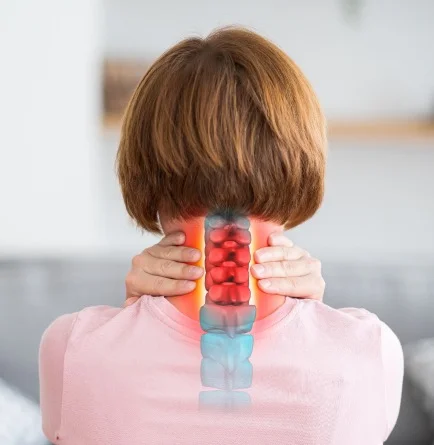
Why Cervical Spondylosis Causes So Many Different Symptoms
The cervical spine is one of the most structurally complex and neurologically dense regions of the body. Seven vertebrae, eight cervical nerve roots, major blood vessels to the brain, and the upper portion of the spinal cord all pass through this narrow region. This is why cervical spondylosis produces such a wide range of symptoms. As the discs between vertebrae dehydrate and flatten with age or overuse, the space available for nerve roots decreases. When a nerve root is compressed, a condition called cervical radiculopathy, pain, tingling, and weakness radiate into the shoulders, arms, and hands. When the spinal cord itself is compromised, a condition called myelopathy, coordination, reflexes, and even bladder function can be affected. When bone spurs form on the anterior vertebral bodies, they can compress the vertebral arteries supplying blood to the brain, producing vertigo, dizziness, and headaches. This multi-symptom presentation is why cervical spondylosis is so often misdiagnosed, and why treatment that only addresses pain, without correcting the underlying nerve compression and vascular restriction, provides only temporary relief.
Siddha Treatment Approach:
1. Thokkanam (Deep Tissue Cervical Massage)
Slow, pressure-guided strokes along the cervical spine, upper trapezius, and paraspinal muscles release the chronic muscular tension that compresses cervical nerve roots and restricts spinal fluid movement. This is the most immediately relieving intervention for most cervical spondylosis patients. By decompressing the soft tissue structures around the cervical vertebrae, Thokkanam reduces radicular pain (arm pain and tingling) as well as local neck stiffness and headaches that originate from the neck.
2. Varmam Therapy for Cervical Decompression
Dr. Sindhuja targets specific Varmam points along the posterior cervical spine, occiput, and upper thoracic region. These points correspond to junctions in the nerve and vascular pathways that govern cervical blood flow and nerve root activity. Activating them reduces the inflammatory signalling that drives disc and nerve degeneration, and improves vertebral artery circulation, directly addressing the vertigo and headache components of cervical spondylosis that medication alone rarely resolves.
3. Nasiyam (For Vertigo and Headache Relief)
In cases of cervical spondylosis where vertigo, chronic headaches, or migraines are prominent symptoms, Nasiyam is added to the treatment protocol. Medicated oils administered through the nasal passage reduce cranial congestion and improve circulation to the brain’s posterior region, which is supplied by the vertebral arteries that pass through the cervical spine. This is why cervical spondylosis patients with associated vertigo often respond rapidly to Nasiyam.
4. Kaya Karpam (Disc and Spine Rejuvenation)
Herbal preparations specific to cervical disc health are used to slow the dehydration and degeneration of the intervertebral discs. These preparations provide the proteoglycans and collagen precursors that disc tissue needs to maintain its structure and height. Restoring even partial disc height reduces the degree of foraminal narrowing, which is the reduction in nerve root canal space, that causes the radicular symptoms cervical spondylosis patients experience.
5. Posture Correction and Siddha Yoga
Dr. Sindhuja’s team works with each patient on the postural habits that are accelerating their cervical degeneration. Forward head posture, where the head sits forward of the shoulder line, adds up to 27 kg of additional compressive force on the cervical spine for every inch of forward displacement. Specific cervical and thoracic Yoga sequences are prescribed to strengthen the deep neck flexors, open the thoracic spine, and restore proper cervical lordosis.
Common Signs & Symptoms of Cervical Spondylosis
Cervical spine stiffness often develops silently, and many people may not notice symptoms until the condition progresses. Some of the most common signs include:
- Neck and shoulder stiffness or pain, especially in the morning
- Tingling or numbness in the arms, hands, or shoulders
- Muscle weakness in the upper limbs
- Reduced coordination and slower reflexes
At Chakrasiddh, we specialize in natural, non-invasive therapies that address the root causes of cervical spine disorder to restore spinal balance and improve daily functioning.
Posture Habits to Watch Out For:
Poor posture is one of the leading factors that can aggravate symptoms:
Is there a cure for This Spine Condition?
- Slouching while sitting at your desk
- Hunching over mobile devices
- Sleeping without proper neck support
Tips for Neck-Friendly Posture:
Practicing good posture can reduce the strain on your neck and slow the progression of neck joint degeneration:
- Keep your screen at eye level
- Sit upright with shoulders relaxed
- Use a chair with good back and neck support
- Take breaks to stretch and change positions
- Sleep with a supportive pillow that maintains the neck’s natural curve
Improvements Observed
Patients who have completed Chakrasiddh’s Siddha cervical spondylosis treatment programme have reported:
- Significant reduction in neck pain and stiffness within 2 to 3 weeks
- Reduced or eliminated arm and hand tingling and numbness
- Improvement in grip strength and upper limb coordination
- Reduction in cervicogenic headaches and associated migraines
- Reduced vertigo and dizziness episodes
- Improved sleep quality due to reduction in nighttime neck pain
- Better posture and reduced muscle tension in the upper back and shoulders
- Reduced dependency on painkillers and muscle relaxants
Frequently Asked Questions
How is cervical spondylosis diagnosis?
Diagnosis usually starts with an assessment of symptoms such as neck pain, stiffness, headaches, or tingling in the arms, and physical examination to check neck movement, muscle strength, sensation, and reflexes. Imaging tests like X-rays and MRI provide detailed views of discs, spinal cord, and nerves. At Chakrasiddh, the diagnosis also involves understanding the body’s energy flow using traditional Siddha principles. Practitioners assess posture, muscle tightness, and energy blockages through gentle observation and pressure point evaluation to design a personalized therapy plan.
How to cure cervical spondylosis permanently?
Cervical spondylosis can be managed effectively with the right therapy and lifestyle changes. At Chakrasiddh, holistic healing therapies focus on reducing inflammation, improving spinal alignment, and strengthening neck muscles. Combined with posture correction, therapeutic exercises, and regular care, these therapies help reduce recurring neck pain and support long-term neck health.
Which is the best treatment for cervical spondylosis?
People have started understanding that medications give only temporary relief and so have shifted focus on long-lasting relief through holistic therapies that addresses the root cause of the ailment. Chakrasiddh’s Siddha-based treatments are considered highly effective as they combine energy therapy, deep tissue pressures, lifestyle correction, and yoga. The therapy not only reduces pain but also works on the root cause of cervical spine degeneration for sustained results.
What is the fastest way to cure spondylosis?
While there’s no instant cure, many individuals start noticing improvement within a few sessions at Chakrasiddh. The fastest way to recover involves consistent therapy sessions focused on pressure point healing, posture correction, relaxation techniques, and simple daily exercise practices. These help reduce nerve compression and boost healing without side effects.
What are the worst symptoms of cervical spondylosis?
Some of the most troubling symptoms include chronic neck pain, reduced mobility, numbness or tingling in the arms, and occasional dizziness or headaches. In advanced stages, people might experience weakness in the hands. Chakrasiddh helps manage these symptoms by restoring natural energy balance and relieving spinal pressure through traditional therapies.
What are the symptoms of cervical spondylosis?
Common symptoms include morning stiffness, localized neck pain, and reduced range of motion. If left untreated for many days it can also lead to radiating pain to the shoulders or arms, tingling in the fingers, headaches that begin at the base of the neck and limited neck movements. Chakrasiddh addresses these issues through a blend of Siddha healing techniques and personalized care to improve overall spinal health.
What should be avoided in cervical spondylosis?
To protect the cervical spine and reduce strain, it’s important to avoid:
- Long hours of screen time without proper posture
- High or uneven pillows
- Heavy lifting or jerky neck movements
- Cold and processed foods
- Physical or emotional stress
Chakrasiddh also guides patients on lifestyle changes and daily habits that support healing and prevent recurring pain.
How to relieve severe neck pain on left side?
Severe neck pain on the left side can occur due to muscle strain, poor posture, or cervical spine issues. Applying heat therapy, gentle stretching, and proper rest can help relieve the pain. At Chakrasiddh, specialized holistic therapies aim to relax neck muscles, improve circulation, and address the root cause of pain for better and longer-lasting relief.