
Lumbar Spondylosis Treatment in Hyderabad
Medically Reviewed & Clinically Supervised by:
Dr. Sathya Sindhuja
Founder & Chief Siddha Practitioner, Chakrasiddh Holistic Healing & Research Centre
36-Generation Siddha Healing Lineage | 30+ Peer-Reviewed Research Publications | Est. 2012, Hyderabad
Specialisation: Chronic Pain, Spinal and Neuromuscular Disorders, Autoimmune Conditions. Zero Drugs, Zero Surgery
Lumbar spondylosis is age-related wear and tear affecting the lower back (lumbar spine). As age increases, the cushions and connectors between vertebrae—can start to break down. This doesn’t always cause pain on its own, but it can lead to other conditions like:
- Degenerative disc disease (wearing of the discs)
- Facet joint arthritis (small joints stiffness at back)
- Herniated or bulging discs (soft part between discs protrude out pinching nerves)
- Bone spurs (bony growths)
- Spinal stenosis (narrowing of spinal canal)
- Spondylolisthesis (slippage of one vertebra over another)
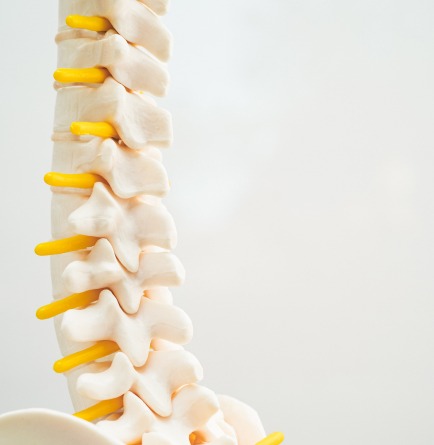
Why Lumbar Spondylosis Causes Leg Pain and Numbness
Many patients are confused about why a lower back condition causes pain and numbness in the legs. The answer lies in the anatomy of the lumbar spine. The lumbar region houses the nerve roots that form the sciatic nerve, which is the largest nerve in the body, which runs from the lower back through the buttocks and down each leg. When lumbar discs dehydrate and bulge, or when bone spurs form on the facet joints, these structures compress the nearby lumbar nerve roots. This compression produces the characteristic radiating pain, tingling, and weakness that travels from the lower back into the buttocks, thighs, and calves. This is the same mechanism that produces Sciatica, which is one of the most common secondary conditions that develops from untreated lumbar spondylosis. Siddha therapy targets these structures directly by decompressing the nerve roots through soft tissue release and reducing the inflammatory environment that is driving the disc and facet joint degeneration.
Siddha Treatment Approach:
1. Thokkanam (Lower Back Deep Tissue Therapy)
Medicated oil strokes along the lumbar paraspinal muscles, sacrum, and gluteal region release the chronic muscle spasm that is both a symptom and a driver of lumbar spondylosis progression. Tight paraspinal muscles increase compressive load on the lumbar discs and facet joints. By releasing this tension, Thokkanam reduces both local lower back pain and the radiating leg symptoms that come from nerve root compression. Patients typically notice a significant reduction in the morning stiffness that characterises lumbar spondylosis within the first 2 to 3 sessions.
2. Varmam Therapy for Lumbar Nerve Decompression
Dr. Sindhuja activates Varmam points in the lumbar, sacral, and hip region that govern the nerve and circulatory pathways to the lower limbs. These points reduce the neurogenic inflammation that perpetuates lumbar nerve root sensitivity. In patients with associated Sciatica, specific sciatic Varmam points along the posterior thigh and calf are also activated, providing relief from the radiating leg pain that many patients find more disabling than the back pain itself.
3. Kaya Karpam (Lumbar Disc Rejuvenation)
The lumbar intervertebral discs depend on a process called imbibition, which is the absorption of water and nutrients through osmotic pressure, to maintain their height and shock-absorbing capacity. As discs dehydrate with age, this process fails, leading to disc collapse and the associated bone spur formation. Kaya Karpam provides herbal preparations that improve the metabolic environment of the disc, support the nucleus pulposus, and reduce the inflammatory cytokines that accelerate degeneration. In early-stage lumbar spondylosis, this is the most structurally meaningful component of the treatment.
4. Hot Medicated Oil Packs and Fomentation
Warm medicated herbal oil packs applied to the lumbar region penetrate the deep paraspinal tissues, reducing chronic inflammation in the facet joints and sacroiliac region. This is particularly effective for patients with associated facet joint arthritis, a condition where the small paired joints at the back of each vertebra become inflamed and stiff. Fomentation also improves local circulation, accelerating the removal of inflammatory by-products from the joint space.
5. Siddha Yoga and Core Strengthening
The lumbar spine’s primary stabilisers are the deep core muscles, specifically the multifidus, transverse abdominis, and pelvic floor. In patients with lumbar spondylosis, these muscles are almost always weakened due to pain-avoidance behaviour and reduced activity. Dr. Sindhuja’s Siddha Yoga protocol builds these muscles progressively, reducing the mechanical load on the degenerated vertebrae and discs. Improved core strength also prevents recurrence, which is the most common problem with lumbar spondylosis managed through medication alone.
6. Dietary Protocol
In Siddha medicine, lumbar spondylosis is understood as Vatha-dominant degeneration. Dry, cold, and raw foods aggravate Vatha and accelerate spinal drying and degeneration. Dr. Sindhuja prescribes a Vatha-balancing dietary protocol emphasising warm, nourishing, oleating foods including sesame preparations, ghee, warm cooked grains, and anti-inflammatory herbs. Patients also receive guidance on maintaining healthy weight, which is a critical factor in lumbar spine loading.
Common Symptoms of Lumbar Spondylosis
While some people may not experience noticeable symptoms, others might develop discomfort over time. Here are the most commonly reported signs:
- Persistent and Severe Backache
- Stiffness at low back
- Pain Radiating to Hips or Legs
- Numbness or Tingling
- Weakness in the Legs
- Limited Range of Motion at hip region
- Cramping or Muscle Spasms in legs
If left untreated, lumbar spondylosis can gradually affect mobility and quality of life. Early diagnosis and holistic management—including exercise, posture correction, and therapies like Siddha varmam—can help relieve symptoms and prevent progression.
Improvements Observed
Patients at Chakrasiddh who have completed the Siddha lumbar spondylosis treatment programme have reported:
- Significant reduction in chronic lower back pain within 3 to 4 weeks of treatment
- Reduced or eliminated leg pain, tingling, and numbness (sciatica-type symptoms)
- Improved ability to walk, stand for longer periods, and climb stairs
- Reduction in morning stiffness and improved spinal mobility in the morning
- Better sleep quality due to reduction in nighttime back pain
- Reduced muscle spasm and cramps in the legs and lower back
- Decreased dependency on painkillers, muscle relaxants, and anti-inflammatory medication
- In early-stage cases, improved disc height documented on follow-up imaging