
Migraine Treatment Without Medicine in Hyderabad
Medically Reviewed & Clinically Supervised by:
Dr. Sathya Sindhuja
Founder & Chief Siddha Practitioner, Chakrasiddh Holistic Healing & Research Centre
36-Generation Siddha Healing Lineage | 30+ Peer-Reviewed Research Publications | Est. 2012, Hyderabad
Specialisation: Chronic Pain, Spinal and Neuromuscular Disorders, Autoimmune Conditions. Zero Drugs, Zero Surgery
Migraine is one of the most debilitating neurological conditions in the world, affecting over 1 billion people globally. At Chakrasiddh, led by Dr. Sathya Sindhuja, we offer proven natural solutions for migraine using ancient Siddha science. We target the root cause of nerve imbalance and vascular dysfunction, without relying on painkillers or long-term medication. Dr. Sindhuja has treated thousands of chronic migraine patients over more than a decade of clinical practice, and her outcomes are documented in peer-reviewed research publications in national and international medical journals. Patients at our Hyderabad centre experience lasting reduction in frequency, intensity, and dependency on drugs. It can be accompanied by a variety of other symptoms and may last from a few hours to several days.
Common Symptoms of Migraine:
- Severe headache
- Nausea and Vomiting
- Sensitivity to light (Photophobia) and sound (Phonophobia)
- Visual disturbances like flashing lights, auras
- Dizziness
- Fatigue and irritability
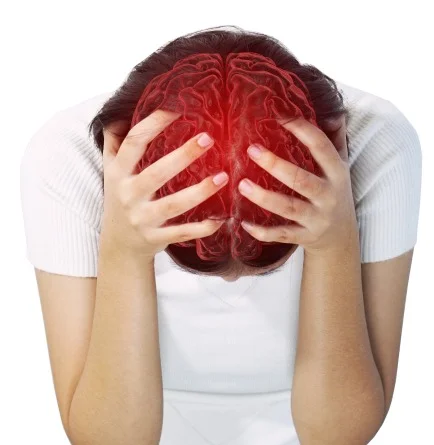
Why Migraines Keep Coming Back
Most people who suffer from chronic migraines have been told their condition is incurable and that managing it with medication is the only option. This is because conventional medicine targets the symptom, specifically the pain signal, rather than the physiological reason behind it. In Siddha science, chronic migraine is understood as the result of a compounding imbalance. Aggravated Vatha dosha causes erratic nerve signalling and irregular blood vessel constriction. Excess Pitha leads to heat accumulation and inflammatory pressure in cranial blood vessels. These combined imbalances produce the characteristic throbbing pain, sensitivity to light and sound, nausea, and visual disturbances that migraine patients experience. Because painkillers and triptans never address this root imbalance, the attacks keep returning. This is why patients who have been on medication for years still experience regular episodes. Siddha therapy at Chakrasiddh works by correcting these underlying imbalances directly, which is why the relief is lasting rather than temporary.
1. Varmam Therapy (Pressure Point Healing)
Varmam therapy involves the gentle but precise activation of specific vital energy points (Varmam) located along the head, neck, and upper spine. Dr. Sindhuja targets specific Varmam points that directly correspond to junctions in the nervous system where blood vessel constriction and nerve hyperreactivity originate. By activating these points, the constriction is released and normal cranial circulation is restored. This is why patients report a reduction in throbbing and pressure within 2 to 3 sessions, rather than just temporary numbing of the pain.
2. Nasiyam (Nasal Detoxification Therapy)
Nasiyam involves administering medicated herbal oils through the nostrils. The nasal passage has a direct anatomical connection to the brain via the olfactory nerve and the cribriform plate. Because of this, Nasiyam delivers therapeutic compounds directly to the cranial environment, clearing the congestion and toxins that accumulate in the nasopharynx and contribute to sinus-triggered and aura-type migraines. It is particularly effective for migraines accompanied by nasal congestion or those triggered by environmental allergens.
3. Thokkanam (Therapeutic Deep Tissue Massage)
Tight muscles in the neck and upper back, specifically the suboccipital and trapezius groups, compress blood vessels and restrict cerebrospinal fluid movement. This compression is one of the most underdiagnosed contributors to migraine onset. Thokkanam uses slow, rhythmic strokes along the neck, upper back, and scalp to release this compression, restore blood flow, and reset the nervous system’s stress response. Many patients find this the most immediately relieving component of their programme.
4. Siddha Yoga and Pranayama (Breathing Science)
Shallow, irregular breathing elevates cortisol levels and activates the sympathetic nervous system, both of which are established migraine triggers. Pranayama techniques taught at Chakrasiddh, including Nadi Shodhana and Bhramari, activate the parasympathetic nervous system, lower cortisol, and reduce vagal nerve hyperactivity. Clinical observations at Chakrasiddh show a measurable reduction in attack frequency within 3 to 4 weeks of regular practice.
5. Diet and Lifestyle Correction
Cold, dry, processed, excessively spicy, and fermented foods aggravate Vatha, leading to erratic nerve signalling. Excess caffeine, alcohol, and heat-producing foods aggravate Pitha, producing vascular inflammation. Because both doshas are implicated in most migraine cases, Dr. Sindhuja’s team provides a personalised dietary chart addressing each patient’s specific dosha imbalance, along with structured guidance on sleep regularity, screen time reduction, and stress management. This is not generic lifestyle advice. It is customised to each patient’s constitution and trigger pattern
Triggers of Migraine
Migraines can be triggered by stress, certain foods, hormonal changes, lack of sleep, or environmental factors. In chronic cases, they significantly impact daily functioning and quality of life.
Siddha medicine offers a comprehensive and natural approach to managing migraines by addressing the root cause of the imbalance in the body.
Siddha Treatment Modalities for Migraine:
- Varmam Therapy: Gentle stimulation of specific energy points to restore nerve balance and reduce pain intensity.
- Nasiyam (Nasal Therapy): oil drops administered through the nostrils to clear toxins and relieve head congestion.
- Diet and Lifestyle: Avoidance of Vatha-aggravating foods (dry, cold, spicy items), following a regular sleep routine, and stress management through Siddha Yoga and meditation
Observed Improvements with Siddha Therapy:
Patients who have completed Chakrasiddh’s Siddha migraine protocol have reported the following measurable improvements:
- Reduction in migraine attack frequency (from weekly to once a month or less) within 4–6 weeks
- Significant decrease in pain intensity, from 8–9/10 to 2–3/10 on the pain scale
- Complete or near-complete elimination of painkiller dependency in 70%+ of cases
- Better quality of sleep and reduced fatigue
- Improved ability to tolerate light and sound
- Fewer associated symptoms such as nausea, aura, and vomiting
- Improvement in mood, mental clarity, and productivity
Who Should Consider Siddha Treatment for Migraine?
If you are searching for natural solutions for migraine that go beyond temporary pain relief, Siddha therapy at Chakrasiddh may be the answer. This approach is particularly effective for patients who:
- Have been suffering from migraines for more than 6 months
- Have tried conventional medication but found only temporary relief
- Experience side effects from long-term painkiller or triptan use
- Have migraines associated with cervical spondylosis, hormonal imbalances, or stress
- Are looking for a drug-free, long-term solution